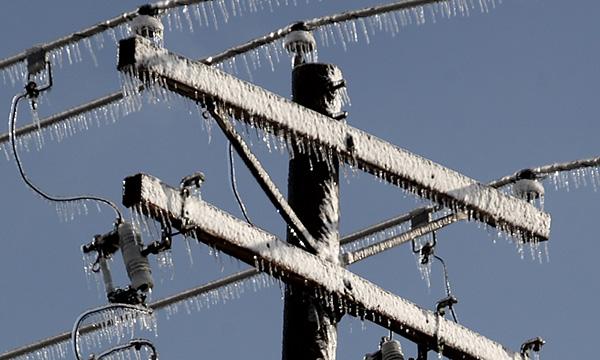
Hot or cold, temperature extremes have big effects on communities across the nation.
Both infrastructure and human lives are impacted by temperature extremes. In order to make our nation’s communities more resilient, our researchers collaborate with the Earth system science community to study icing, snow, heatwaves, and more, including how we can better predict these extremes and how their frequency and intensity is changing over time. This information guides the design and maintenance of roads, buildings, and our energy grid. NSF NCAR tools help keep travelers on the move during inclement weather and give guidance for building infrastructure that can withstand severe icing conditions.
Extreme heat is a leading cause of weather-related human mortality in the United States and in many countries world-wide. Despite the advances in meteorological forecasting capabilities and the widespread prevalence of air conditioning systems across the U.S., extreme heat persists as a threat to human health. Better prediction and understanding of the impacts of both extreme heat and cold is necessary for protecting lives and property.